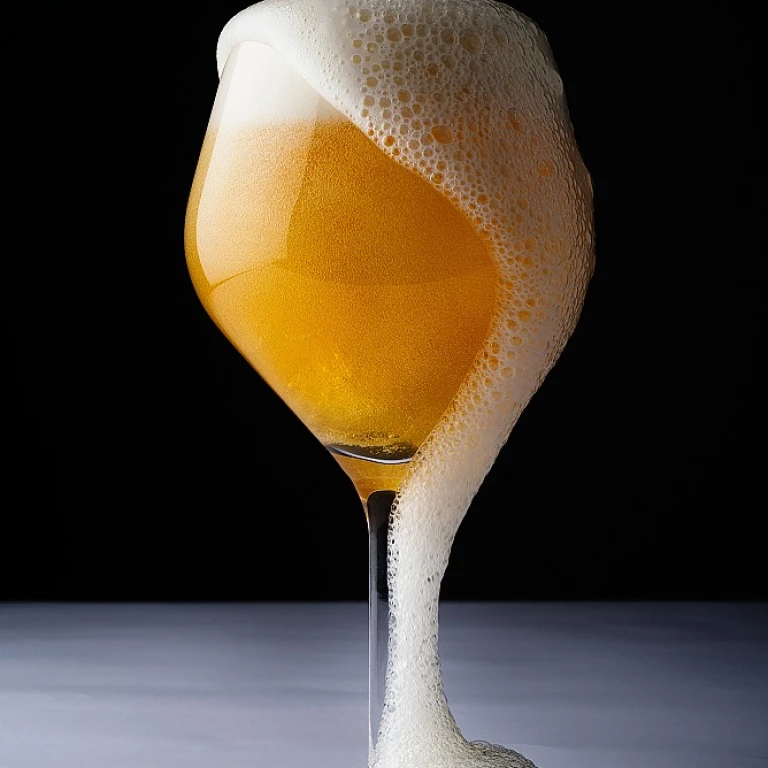

What is pyramid beer type and where did it come from
Origins of the pyramid beer style
The term "pyramid beer type" often brings to mind a unique approach to brewing that blends tradition and innovation. This style is closely associated with Pyramid Brewing Company, which helped popularize American wheat beers. The roots of this beer style can be traced back to the Pacific Northwest, where adventurous brewers sought to create refreshing, approachable beers that stood apart from the mainstream lagers dominating the market. Wheat beers have a long history in Europe, especially in Germany and Belgium, but the American take on this style introduced new flavors and brewing techniques. Pyramid Brewing Company was among the pioneers who embraced the wheat beer tradition and adapted it for a new audience. Their flagship brews, like the iconic Hefeweizen, showcased the cloudy, unfiltered look and citrusy notes that became hallmarks of the style. This innovative spirit set the stage for a wave of craft breweries to experiment with wheat beers and other styles, leading to a vibrant and diverse beer scene. If you’re curious about how fruit-forward wheat beers have evolved, check out this look at a refreshing summer beer experience that highlights the creativity inspired by the pyramid beer tradition.Classic wheat beers and the influence of Belgian brewing
The roots of wheat beers in Europe
Wheat beers have a long and flavorful history, with their origins deeply rooted in European brewing traditions. Germany and Belgium are especially renowned for their classic wheat beer styles. In Germany, the iconic hefeweizen stands out with its cloudy appearance, banana and clove notes, and refreshing finish. Belgian brewers, on the other hand, have crafted witbiers—light, citrusy, and often spiced with coriander and orange peel.
Belgian influence on modern brewing
The Belgian approach to wheat beers has inspired brewers worldwide. Their use of unique yeast strains and creative additions like spices and fruit has set the stage for experimentation. Many modern wheat beers borrow these techniques, resulting in a broad spectrum of flavors and aromas. This influence is evident in the way brewers continue to push boundaries, blending tradition with innovation.
- German hefeweizens: known for their yeast-driven flavors
- Belgian witbiers: often brewed with spices and citrus
- Modern wheat beers: a fusion of old-world methods and new ideas
For those interested in exploring refreshing, fruit-forward drinks inspired by these traditions, check out this ready-to-drink favorite with tropical flavors.
American brewing and the rise of craft wheat beers
The craft beer revolution and wheat ales
As the American craft beer movement gained momentum, brewers began to experiment with traditional styles, including wheat beers. While European wheat beers—like the Belgian witbier and German hefeweizen—had their own established profiles, American brewers saw an opportunity to put a unique spin on these classics.
- Innovation in ingredients: American wheat beers often feature a lighter body and a more subtle yeast character compared to their European counterparts. Brewers frequently use American-grown wheat and experiment with hops, sometimes introducing citrus or tropical fruit notes.
- Local identity: Many breweries embraced regional ingredients and flavors, creating wheat beers that reflect local tastes and preferences. This approach helped wheat ales become a staple in the American craft beer scene.
- Sessionability: The approachable, refreshing nature of American wheat beers made them popular among both seasoned enthusiasts and newcomers to craft beer.
Some breweries have taken wheat beer innovation even further, blending styles or adding bold flavors. For an example of how American craft brewers push boundaries, check out this article on Warpigs Brewing and their bold American-Danish flavor collaborations.
American wheat beers continue to evolve, offering a wide range of options—from classic, easy-drinking styles to adventurous, hop-forward interpretations. This creativity keeps the category fresh and exciting for beer lovers.
Exploring other styles: porter, winter warmer, and beyond
Beyond wheat: the diversity of pyramid brewing
While wheat beers have been central to the pyramid brewing tradition, the style is not limited to just one type of beer. Many breweries have expanded their offerings to include a range of styles that showcase creativity and adaptability. This evolution reflects both historical influences and the modern craft beer movement.
- Porters: These dark, robust beers bring roasted malt flavors, chocolate notes, and a smooth finish. Porters crafted within the pyramid tradition often balance richness with drinkability, appealing to those who enjoy deeper flavors.
- Winter warmers: Seasonal brews like winter warmers highlight spices, caramel malts, and a higher alcohol content. They are designed to be comforting and flavorful during colder months, offering a different take from the refreshing wheat beers.
- Specialty and experimental styles: Breweries frequently experiment with fruit additions, barrel aging, and unique yeast strains. These innovations keep the pyramid brewing scene vibrant and ever-changing, inviting beer lovers to try something new with each release.
By embracing a wide variety of beer styles, pyramid breweries continue to push boundaries while honoring their roots. Whether you prefer a classic wheat ale or a bold porter, there is always something new to enjoy in this dynamic segment of the beer world.
Personal tasting notes and the experience of bottle conditioned beers
Impressions from the glass: tasting bottle conditioned pyramid beers
Pouring a bottle conditioned pyramid beer is always a small event. The lively carbonation, a result of natural fermentation in the bottle, creates a gentle effervescence and a creamy head. Swirling the last bit releases a haze—evidence of the yeast that continues to work its magic.- Aromas: Expect a bouquet of citrus, banana, and clove, especially in wheat-forward styles. The yeast brings subtle spice and a touch of earthiness.
- Flavor: The first sip is bright and refreshing. Wheat malts offer a soft, bready sweetness, while the yeast adds complexity. Some versions lean into tartness, others showcase gentle fruit notes.
- Mouthfeel: The natural carbonation gives a lively, almost creamy texture. The finish is crisp, sometimes with a lingering hint of spice or citrus.