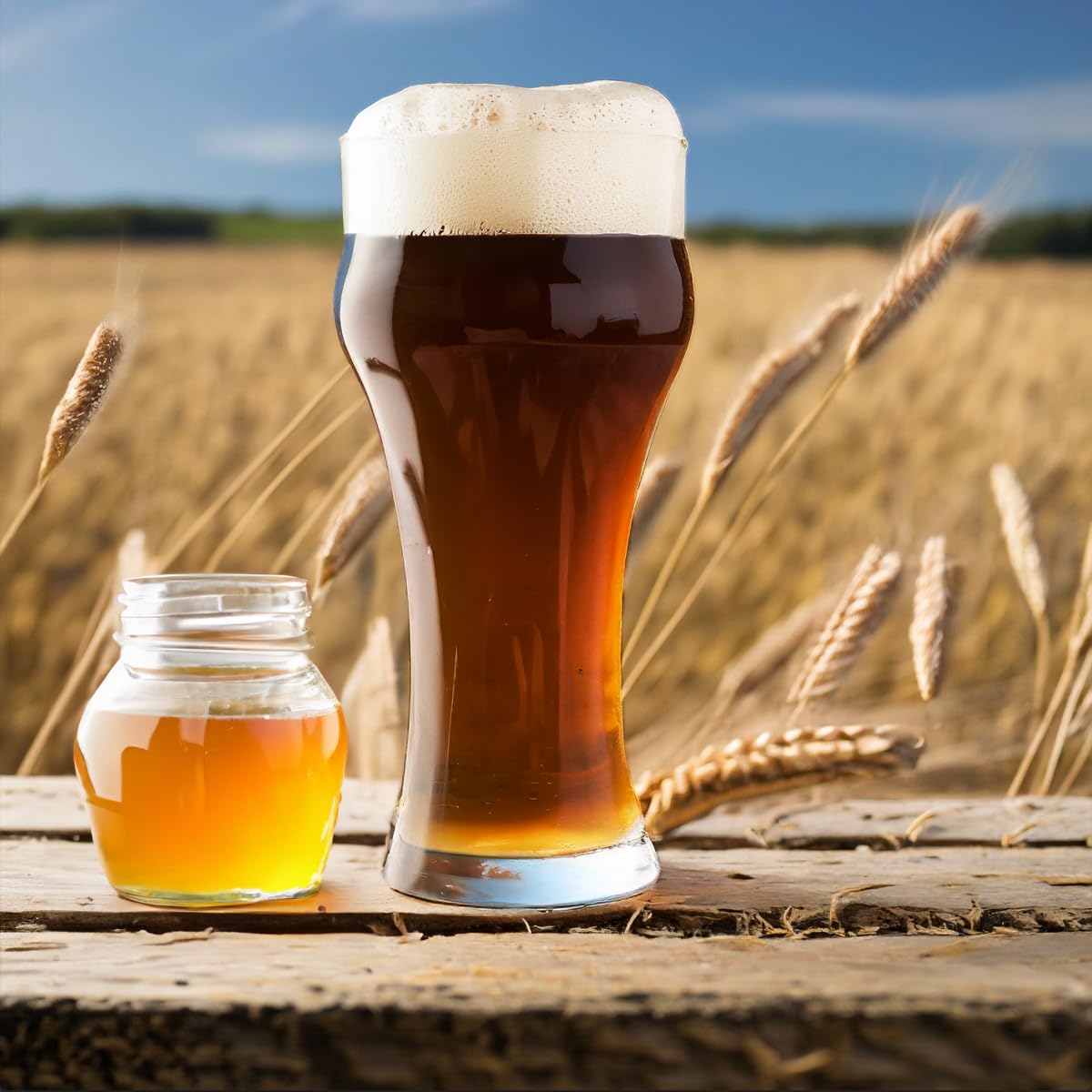
What makes honey brown ale a favorite for beer lovers
The unique blend of malt and honey
Honey brown ale has captured the hearts of beer enthusiasts thanks to its harmonious balance of flavors. The addition of real honey to the brewing process brings a gentle sweetness that complements the rich, toasted malt backbone. This combination results in a smooth, approachable beer with a subtle complexity—never too sweet, never too heavy.
Why beer lovers keep coming back
- Approachable flavor: The mild sweetness from honey makes this ale a favorite for both newcomers and seasoned beer drinkers.
- Versatility: Its balanced profile pairs well with a variety of foods and occasions, making it a reliable choice year-round.
- Tradition and innovation: While rooted in classic brewing methods, honey brown ale allows for creative twists, inviting homebrewers and professionals alike to experiment with different honey varieties and malts.
For those interested in the broader appeal of amber-hued beers and what makes them stand out on the shelf, you might enjoy reading about the allure of the red beer can and how color and flavor come together to create memorable drinking experiences.

Brewing honey brown ale at home: tips and tricks
Essential ingredients and honey selection
When brewing honey brown ale at home, the choice of honey is crucial. Opt for a mild, floral honey that won’t overpower the malt character. Local varieties often add a unique touch. Use high-quality pale and crystal malts as your base, and consider a touch of chocolate malt for depth. Traditional English ale yeast works well, bringing out the beer’s smooth finish.Brewing process and timing
Add honey late in the boil or during primary fermentation. This preserves delicate aromas and prevents the honey from fermenting away completely. Stir gently to avoid oxidation. Keep fermentation temperatures steady for a clean profile and let the beer condition for a few weeks to allow flavors to meld.Tips for a balanced flavor
- Start with a moderate gravity wort to keep the beer drinkable and not too heavy.
- Use a restrained hand with hops—aim for balance, not bitterness.
- Monitor fermentation closely; honey can boost alcohol, so check gravity readings.
- Experiment with different honey types for seasonal variations.
Honey brown ale vs. other beer styles: what sets it apart
How honey brown ale’s flavor profile stands apart
Honey brown ale is often compared to other popular beer styles, but it brings a unique twist to the table. The addition of real honey gives this ale a gentle sweetness and smooth finish, setting it apart from classic brown ales, which tend to focus more on roasted malt and nutty notes. While porters and stouts lean heavily into chocolate and coffee flavors, honey brown ale offers a lighter, more approachable taste that appeals to a wide range of palates.
- Balanced sweetness: Unlike some amber ales or lagers, honey brown ale’s sweetness is subtle, never overpowering.
- Medium body: It’s not as heavy as a stout, making it easy to enjoy year-round.
- Distinct aroma: The honey adds floral and caramel notes, which you won’t find in most other brown ales.
Comparing honey brown ale to other craft favorites
When placed alongside hop-forward IPAs or crisp pilsners, honey brown ale stands out for its smoothness and drinkability. It’s less bitter than an IPA, yet more flavorful than a standard lager. For those interested in exploring other unique beer profiles, check out this hoppy Boston favorite for a different take on craft brewing.
Ultimately, honey brown ale’s combination of malt richness and honeyed sweetness makes it a standout choice, whether you’re a seasoned beer enthusiast or just starting to explore the world of craft ales.
Pairing honey brown ale with food and wine
Perfect matches for honey brown ale
Honey brown ale’s smooth maltiness and subtle sweetness make it a versatile companion at the table. Its gentle caramel notes and light hop profile allow it to pair beautifully with a range of dishes, enhancing both the food and the beer experience.
- Roasted and grilled meats: The ale’s honeyed character complements pork, chicken, and even beef, especially when glazed or marinated. The caramel undertones echo the flavors from the grill or oven.
- Cheese boards: Try it with mild to medium cheeses like gouda, brie, or cheddar. The beer’s sweetness balances the saltiness and creaminess of the cheese.
- Spicy cuisine: Dishes with a bit of heat—think barbecue, Thai, or Mexican—find a friend in honey brown ale. Its malt backbone soothes the palate, while the honey notes add a pleasant contrast.
- Desserts: Pair with apple pie, bread pudding, or nutty treats. The beer’s flavors mirror the caramel and spice in these sweets.
Pairing with wine and other beverages
Honey brown ale can also stand alongside wine at the table. Its balance of sweetness and malt makes it a good alternative to lighter reds or fuller-bodied whites. For gatherings where guests have varied tastes, offering honey brown ale alongside wine ensures everyone finds something to enjoy.
Tips for serving
- Serve slightly chilled, not ice-cold, to let the flavors shine.
- Use a glass with a wide opening to capture the aroma.
- Try pairing with seasonal dishes—honey brown ale adapts well to both hearty winter fare and lighter summer plates.
With its crowd-pleasing profile, honey brown ale is a reliable choice for food pairings, whether you’re hosting a dinner or enjoying a quiet meal at home.
Year round appeal: why breweries keep honey brown ale on tap
Why honey brown ale remains a taproom staple
Honey brown ale has a unique ability to fit into any season, making it a reliable choice for breweries and beer lovers alike. Its balanced profile—combining gentle sweetness from honey with the richness of roasted malts—means it appeals to a wide range of palates, whether you’re seeking something comforting in winter or refreshing in summer.
- Versatility: The approachable flavor makes it easy to pair with many foods and occasions, from backyard barbecues to cozy evenings indoors.
- Consistent demand: Because it’s not tied to a specific season or holiday, breweries can keep honey brown ale on tap all year without worrying about waning interest.
- Brewing flexibility: Brewers can experiment with different honey varieties or malt blends, keeping the style fresh and exciting for regulars and newcomers.
For those who enjoy brewing at home, honey brown ale’s forgiving nature and adaptability also make it a popular choice to revisit throughout the year. Whether you’re a fan of traditional styles or looking for something a bit different, this ale’s year-round appeal is hard to match.