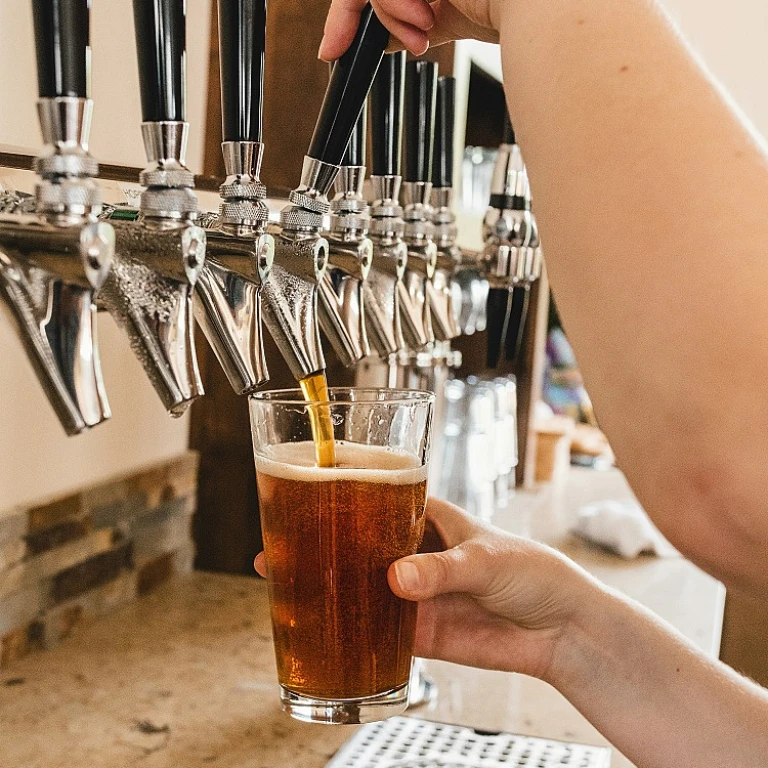

What is a kegerator and how does it keep beer fresh
How a kegerator brings brewery-fresh beer to your home
Imagine enjoying a perfectly poured pint at home, just like you would at your favorite pub. That’s the magic of a kegerator. A kegerator is a specialized refrigerator designed to store and dispense beer from a keg, keeping it cold and carbonated for weeks. It combines the convenience of draft beer with the freshness that beer lovers crave.
What makes a kegerator so effective? It’s all about maintaining the right environment for your beer. By keeping the keg at a consistent, cool temperature and under the correct pressure, a kegerator prevents your brew from going flat or developing off-flavors. This means every glass is as crisp and flavorful as the brewer intended.
Draft systems like these are inspired by the same principles used in professional breweries. If you’re curious about how brewers keep their beer tasting great from the tank to your glass, you might enjoy reading about the role of the lauter tun in beer brewing. It’s all part of the journey to deliver fresh, delicious beer.
In the next sections, we’ll look at the key components that make a kegerator work, the different types available, and how to keep your beer at its best for every pour.
Essential parts of a kegerator system
The core components that make it all work
A kegerator is more than just a fridge with a tap. It is a carefully designed system that keeps your beer fresh, carbonated, and ready to pour. Understanding its main parts helps you get the most out of your setup and maintain the perfect pour every time.
- Keg: This is where your beer is stored. Kegs come in various sizes and styles, each suited for different needs and types of beer.
- CO2 tank and regulator: The CO2 tank provides the pressure needed to push beer from the keg to the tap. The regulator controls the amount of pressure, ensuring your beer stays carbonated and pours smoothly.
- Beer and gas lines: These tubes connect the keg to the faucet and the CO2 tank. They must be kept clean to prevent off-flavors and maintain beer quality.
- Faucet and tap tower: The faucet is where the magic happens—your beer is dispensed here. The tap tower holds the faucet and is often mounted on top of the kegerator for easy access.
- Refrigeration unit: This keeps your beer at the ideal temperature, which is essential for freshness and taste. Temperature control is crucial, as you will see in the section about keeping your beer at the right temperature.
- Drip tray: A small but important part, the drip tray catches any spills or drips during pouring, keeping your setup clean.
Each part plays a specific role in delivering a perfect pint. If you are interested in how these components fit into the broader brewing process, you might enjoy reading about the role of the lauter tun in beer brewing. Together, these elements ensure your kegerator keeps beer fresh and ready to enjoy, especially when paired with proper cleaning and maintenance.
Types of kegs and kegerators for every brew
Choosing the right keg for your setup
When it comes to enjoying fresh beer at home, the type of keg you use matters just as much as the kegerator itself. Kegs come in various sizes and styles, each suited for different needs and preferences. Here are the most common types:
- Sixth barrel (Sixtel): Compact and perfect for home use, these hold about 5.2 gallons and fit easily in most kegerators.
- Quarter barrel (Pony keg): Slightly larger, these hold 7.75 gallons and are great for small gatherings.
- Half barrel: The classic full-size keg found in bars, holding 15.5 gallons. Make sure your kegerator can accommodate this size before purchasing.
- Cornelius (Corny) keg: Originally used for soda, these are popular among homebrewers for their easy cleaning and manageable size (usually 5 gallons).
Finding the perfect kegerator for your needs
Kegerators come in a variety of designs to suit different spaces and beer-drinking habits. Here are a few options to consider:
- Mini kegerators: Ideal for apartments or small spaces, these are designed for smaller kegs and easy portability.
- Freestanding kegerators: The most common type, offering flexibility in placement and often fitting multiple keg sizes.
- Built-in kegerators: Perfect for custom home bars, these models are designed to fit seamlessly into cabinetry.
- Outdoor kegerators: Built to withstand the elements, these are great for patios or backyard entertaining.
When selecting your kegerator, consider how many taps you need, the available space, and the types of beer you plan to serve. For those interested in the technical side of beer storage and serving, understanding the role of brite tanks in brewing can offer even more insight into how your favorite brews are prepared for kegging and dispensing.
Keeping your beer at the right temperature
Why temperature matters for your beer
Serving beer at the right temperature is essential for enjoying its full flavor and aroma. Too cold, and you might mute the beer’s taste; too warm, and you risk excessive foam and spoilage. Each beer style has its ideal serving range, so adjusting your kegerator’s settings is key to a great pour every time.
How to set and monitor your kegerator temperature
- Check your kegerator’s thermostat – Most units have an adjustable dial or digital control. Refer to your model’s guide for specifics.
- Use a reliable thermometer – Place it inside the kegerator to verify the actual temperature, as built-in gauges can sometimes be inaccurate.
- Adjust gradually – Make small changes and allow time for the temperature to stabilize before testing again.
Recommended temperatures for popular beer styles
- Lagers and pilsners – Best served between 36–40°F (2–4°C) for crispness and refreshment.
- Pale ales and IPAs – Slightly warmer, around 40–45°F (4–7°C), to let the hops shine.
- Stouts and porters – 45–55°F (7–13°C) brings out their rich, roasted notes.
Tips for consistent cooling
- Keep your kegerator away from direct sunlight and heat sources.
- Don’t overload the unit; allow space for air to circulate around the keg.
- Regularly check door seals and clean the condenser coils for optimal performance.
By paying attention to temperature, you ensure every glass poured is as fresh and flavorful as the brewer intended. This step, along with proper cleaning and maintenance, helps you get the most out of your kegerator system.
Cleaning and maintaining your kegerator
Why regular cleaning matters
Keeping your kegerator clean is essential for enjoying fresh, flavorful beer every time you pour. Over time, beer lines and taps can develop build-up from yeast, bacteria, and mineral deposits. This not only affects the taste but can also shorten the lifespan of your equipment. A clean system ensures that every glass tastes as the brewer intended.
How often should you clean your kegerator?
- Beer lines: Clean every two weeks or whenever you change the keg.
- Faucets and taps: Wipe down after each use and deep clean with the lines.
- Drip tray and exterior: Wipe regularly to prevent sticky residue and mold.
Step-by-step cleaning guide
- Turn off and disconnect the CO2 tank for safety.
- Remove the keg and detach the beer lines.
- Flush the lines with a cleaning solution designed for draft systems. Let it sit, then rinse thoroughly with clean water.
- Soak the faucet, coupler, and any removable parts in the same cleaning solution. Scrub with a small brush if needed.
- Dry all components before reassembling your kegerator.
Tips for long-term maintenance
- Inspect seals and gaskets for wear and replace them if needed.
- Check the CO2 regulator and connections for leaks.
- Keep the interior dry to prevent mold growth.
By following these cleaning and maintenance steps, you help preserve the freshness and quality of your beer, making every pour as enjoyable as the first.