
Schwarzbier köstritzer and its roots in kostritz
Rooted in the heart of Köstritz
In the small German town of Köstritz, a tradition of brewing dark lagers has flourished for centuries. Köstritzer Schwarzbier stands as a proud representative of this heritage, embodying the character and craftsmanship of its birthplace. The brewery’s location, nestled in the Thuringian countryside, has shaped both the beer’s identity and its enduring popularity.
Local water sources, regional malts, and a dedication to time-honored methods have all contributed to the distinct profile of Köstritzer Schwarzbier. The town’s brewing legacy is not just a backdrop—it is the foundation that gives this beer its unique sense of place. This deep connection to Köstritz is part of what makes it a staple in bars and a favorite among beer enthusiasts, as explored further in the next section.
What makes schwarzbier köstritzer a favorite in bars
Why Köstritzer Schwarzbier stands out in bars
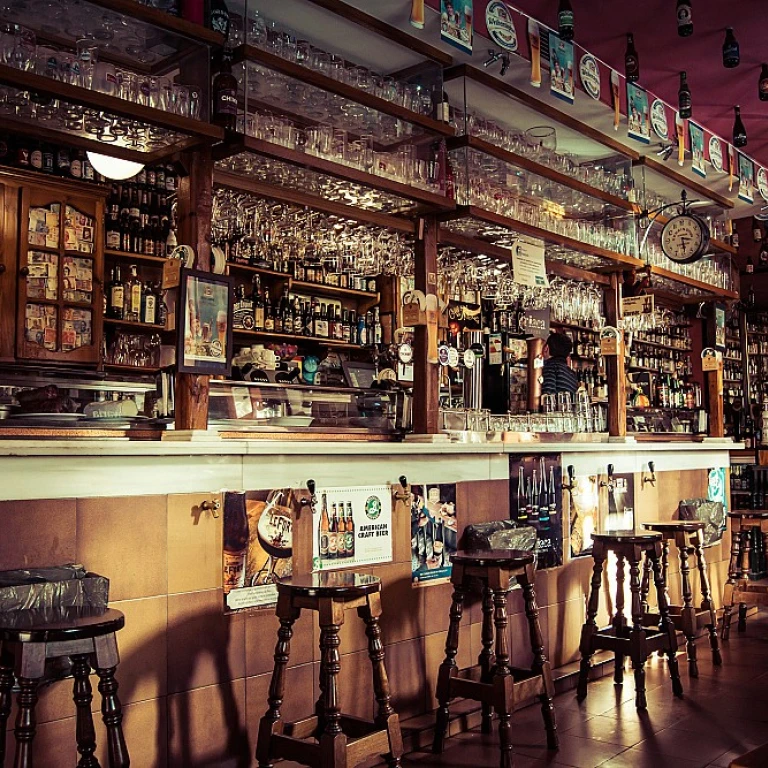
When you step into a bar and spot Köstritzer Schwarzbier on tap, it’s easy to see why it draws attention. This dark lager brings a unique combination of tradition and approachability that appeals to both seasoned beer lovers and newcomers alike.
- Balanced flavor profile: Köstritzer Schwarzbier offers a smooth blend of roasted malt notes with subtle hints of chocolate and coffee, without being overly bitter or heavy. This makes it a versatile choice for many palates.
- Sessionable strength: Its moderate alcohol content allows for relaxed enjoyment over several rounds, making it a popular pick for social gatherings.
- Distinctive appearance: The deep, ruby-black color and creamy tan head make it visually striking, often sparking curiosity and conversation among bar patrons.
- Food pairing potential: Its roasted character pairs well with a variety of bar foods, from grilled sausages to rich cheeses, enhancing the overall experience.
These qualities, rooted in Köstritzer’s heritage and careful brewing methods, help explain why this schwarzbier continues to be a favorite in bars across the globe. Its unique taste and storied background, explored further in other sections, only add to its enduring appeal.
The brewing process and unique taste
Traditional methods meet modern expertise
Köstritzer Schwarzbier stands out thanks to a careful blend of time-honored brewing techniques and modern precision. The foundation of its character lies in the use of specially selected roasted malts. These malts give the beer its signature deep, dark color and subtle coffee and chocolate notes, without overpowering bitterness.
The brewing process begins with a slow, controlled mash, allowing the flavors to develop fully. Köstritzer’s brewers pay close attention to temperature and timing, ensuring the delicate balance between roasted and caramelized flavors. The use of soft water from the region around Köstritz helps achieve the beer’s smooth mouthfeel and crisp finish.
- Roasted malts: Provide color and gentle bitterness
- Cold fermentation: Lager yeast ferments at low temperatures, resulting in a clean, refreshing taste
- Extended lagering: The beer matures slowly, allowing flavors to mellow and harmonize
What truly sets Köstritzer Schwarzbier apart is its balance. While it offers the richness you might expect from a dark beer, it remains light on the palate and highly drinkable. This unique combination of flavors and drinkability is a key reason why it’s so popular in bars and among beer enthusiasts today.
A look at kostritzer’s history and famous fans
From local favorite to international acclaim
Köstritzer’s journey began in the small town of Bad Köstritz, where brewing traditions stretch back centuries. Over time, this brewery’s dedication to quality and innovation helped it stand out, even as beer styles and preferences evolved. The brewery’s resilience through changing times—surviving wars, political shifts, and economic challenges—has only added to its reputation.
Famous fans and cultural impact
One of the most fascinating aspects of Köstritzer’s legacy is its list of notable admirers. Perhaps the most famous is Johann Wolfgang von Goethe, the celebrated German writer, who was known to enjoy this dark lager. Köstritzer’s appeal has reached beyond Germany’s borders, earning praise from beer enthusiasts and experts worldwide. Its presence in literature and pop culture further cements its status as a symbol of German brewing excellence.
- Enduring popularity among both locals and visitors
- Recognition at international beer competitions
- Influence on the perception of dark lagers globally
As you explore what sets Köstritzer Schwarzbier apart in taste and brewing, its rich history and famous fans add another layer to its enduring charm.
How schwarzbier köstritzer fits into today’s beer styles
Schwarzbier köstritzer’s place among modern beer styles
In today’s diverse beer landscape, schwarzbier köstritzer stands out for its balance and drinkability. While many dark beers are associated with heavy, roasted flavors, this classic German black lager offers a lighter, smoother profile. Its subtle notes of coffee and chocolate, combined with a crisp finish, make it approachable for both seasoned beer lovers and newcomers alike.
- Sessionable character: Unlike some robust stouts or porters, schwarzbier köstritzer has a moderate alcohol content and a clean, refreshing taste. This makes it a popular choice for those who enjoy dark beers without the heaviness.
- Versatility: Its unique flavor profile pairs well with a variety of foods, from grilled meats to rich desserts, making it a favorite in both casual and upscale settings.
- Resurgence of traditional styles: As craft beer enthusiasts seek out authentic and historical brews, schwarzbier köstritzer’s long-standing heritage and consistent quality have helped it remain relevant and respected.
With its roots in Köstritz and a brewing process that highlights both tradition and innovation, schwarzbier köstritzer continues to find its place among contemporary beer styles. It bridges the gap between classic German lagers and the evolving tastes of today’s beer drinkers.