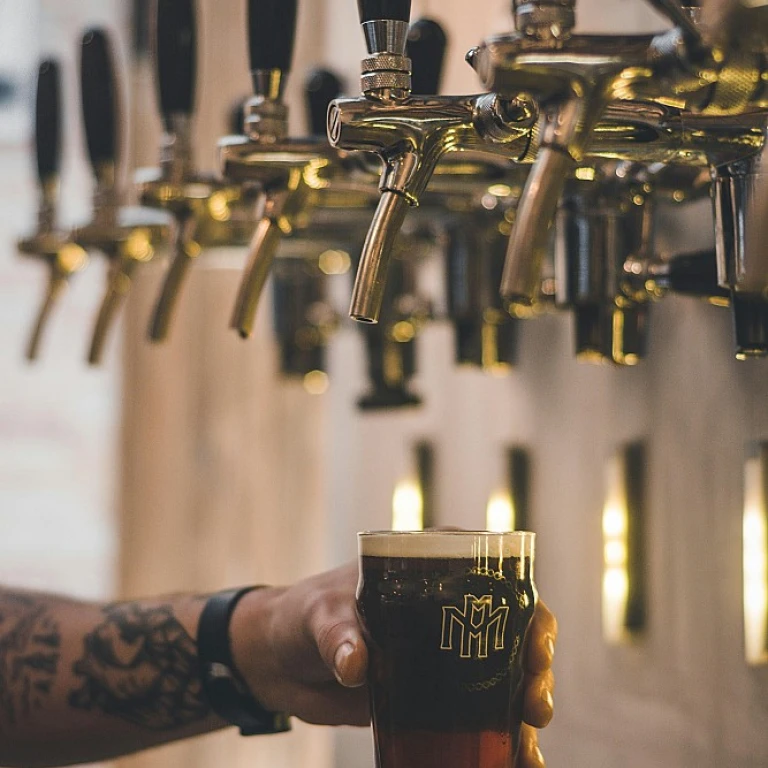
Beer trivia questions that stump even the pros
Challenging beer questions for true enthusiasts
- Which country boasts the highest number of distinct beer styles, and can you name at least three of its most iconic brews?
- What is the difference between a lager and an ale at the yeast and fermentation level?
- Can you identify the traditional vessel used for serving lambic beers in Belgium?
- Which ingredient, often overlooked, plays a crucial role in the mouthfeel and head retention of a pint?
- What is the origin of the term "IPA," and how did it shape global beer trends?
- Which brewery is credited with pioneering the use of nitrogen in beer, resulting in a smoother pour and creamy texture?
- What is the significance of the Reinheitsgebot, and how does it influence modern brewing?
- Can you name a beer festival that attracts visitors from all over the world and is held in a palace setting? For a deeper look at this unique event, check out this beer palace experience.
Ready to test your knowledge? These questions touch on everything from brewing science to global traditions and legendary breweries. If you’re curious about how beer is made or want to learn more about the world’s most famous brands, keep reading the next sections!
The brewing process: from grain to glass
How grains, hops, and yeast come together
Beer is the result of a fascinating transformation that starts with just a few simple ingredients. Each step in the brewing process shapes the final flavor, aroma, and character of your pint. Here’s a look at how it all happens:
- Mashing: Malted grains (usually barley) are soaked in hot water. This releases sugars that will later be fermented.
- Lautering: The sweet liquid, called wort, is separated from the grain husks.
- Boiling: The wort is boiled and hops are added. Hops give beer its bitterness and aroma, balancing the sweetness from the malt.
- Fermentation: Yeast is added to the cooled wort. Yeast eats the sugars, producing alcohol and carbon dioxide.
- Maturation: The beer is left to mature, allowing flavors to develop and unwanted compounds to settle out.
- Packaging: Finally, the beer is filtered, carbonated if needed, and packaged for you to enjoy.
Each brewery might tweak these steps or ingredients to create unique flavors, which is why there’s such a variety of beer styles around the world. If you’re curious to dive deeper into the brewing journey and how different choices impact the final product, check out this guide to the world of beer.
Understanding the brewing process can also help you appreciate the subtle differences between lagers, ales, and other styles, which you’ll find explained in the next section.
Beer styles explained: lager, ale, and more
Understanding the main families of beer
When you walk into a bar or browse a beer menu, you’ll often see two main categories: lagers and ales. But what really sets them apart? It’s all about the yeast and the fermentation process.
- Lagers use bottom-fermenting yeast and are typically fermented at cooler temperatures. This results in a crisp, clean taste. Classic examples include pilsners and helles.
- Ales use top-fermenting yeast and are fermented at warmer temperatures. This gives them a fruitier, more robust flavor. Think pale ales, stouts, and IPAs.
There are also hybrid styles and specialty beers that blur the lines, but most beers fit into one of these two families. Each style has its own story and tradition, often linked to the region where it originated. For example, Belgian abbey ales are famous for their rich, complex flavors and centuries-old brewing heritage. If you’re curious about the legacy of these unique brews, take a look at this in-depth guide to Saint Bernardus beer.
Exploring different beer styles is a great way to expand your palate and appreciate the diversity of the beer world. Whether you’re a fan of crisp lagers or bold ales, there’s always something new to taste and learn.
Famous breweries and beer brands around the globe
Breweries that shaped the world of beer
When talking about beer, certain breweries stand out for their influence, innovation, and global reach. Here are some names that have left a mark on beer history:- Guinness (Ireland): Famous for its iconic stout, Guinness has become a symbol of Irish brewing and is enjoyed in over 150 countries.
- Weihenstephan (Germany): Often considered the world’s oldest brewery, Weihenstephan has been perfecting traditional German styles for centuries.
- Sapporo (Japan): As one of Japan’s oldest breweries, Sapporo introduced crisp, clean lagers that helped define Japanese beer culture.
- Sierra Nevada (USA): A pioneer of the American craft beer movement, Sierra Nevada’s Pale Ale inspired countless brewers to experiment with hops and bold flavors.
- Chimay (Belgium): Brewed by Trappist monks, Chimay is renowned for its rich, complex ales and its role in preserving monastic brewing traditions.
Global brands you might recognize
- Heineken: With its green bottle and red star, Heineken is one of the most recognized lagers worldwide.
- Corona: Known for its light, refreshing taste and signature lime wedge, Corona is a staple at beaches and summer gatherings.
- Budweiser: Often called the "King of Beers," Budweiser is a classic American lager with a massive international presence.
- Carlsberg: This Danish brand is famous for its crisp lagers and memorable advertising campaigns.
Regional legends and rising stars
- Birra Moretti (Italy): A beloved Italian lager with a rich legacy and a story that reflects the country’s brewing heritage.
- Goose Island (USA): Known for its innovative barrel-aged beers, Goose Island helped popularize craft brewing in Chicago and beyond.
- Castle Brewery (South Africa): A leader in African brewing, Castle has become a symbol of celebration across the continent.
Whether you’re exploring the basics of beer styles or learning about the brewing process, these breweries and brands offer a taste of beer’s diverse and fascinating world.
Fun beer facts: words, names, and quirky traditions
Unusual beer words and their origins
- Growler: This term refers to a jug used to transport draft beer. Its name comes from the rumbling sound the carbon dioxide made as it escaped from the lid in the early days.
- Session beer: A beer with lower alcohol content, designed for extended drinking sessions without overwhelming the drinker.
- Shandy: A refreshing mix of beer and lemonade or soda, popular in many countries as a summer drink.
Beer names with a story
- India Pale Ale (IPA): Named for the style of beer shipped from England to India, with extra hops added as a preservative for the long journey.
- Porter: This dark beer got its name from the street and river porters of London, who favored it for its robust flavor and affordable price.
- Barleywine: Despite the name, this is a strong ale, not a wine. The term highlights its high alcohol content and rich, wine-like complexity.
Quirky beer traditions around the world
- Yard of ale: In the UK, drinking from a yard-long glass is a traditional pub challenge, often attempted during celebrations.
- Beer stein clinking: In Germany, clinking steins and making eye contact is said to bring good luck and avoid seven years of bad sex!
- Beer mile: A modern tradition where participants run a mile, stopping to drink a beer at each quarter-mile mark.
From the brewing process to the many styles and legendary breweries, beer culture is rich with unique words, names, and customs that make every pint a little more interesting.