What makes a ddh ipa stand out from other beers
What sets double dry hopped IPAs apart?
Double dry hopped IPAs, often called DDH IPAs, have carved out a unique space in the craft beer world. What truly sets them apart is the intense hop aroma and flavor that comes from the double dry hopping process. Unlike traditional IPAs, which may focus more on bitterness, DDH IPAs are all about vibrant, juicy, and aromatic hop character.
- Amplified aroma: The double dry hopping technique means hops are added twice during fermentation, resulting in a burst of tropical, citrus, and floral notes.
- Smoother bitterness: While hops are prominent, the bitterness is often softer, making these beers approachable even for those new to hop-forward styles.
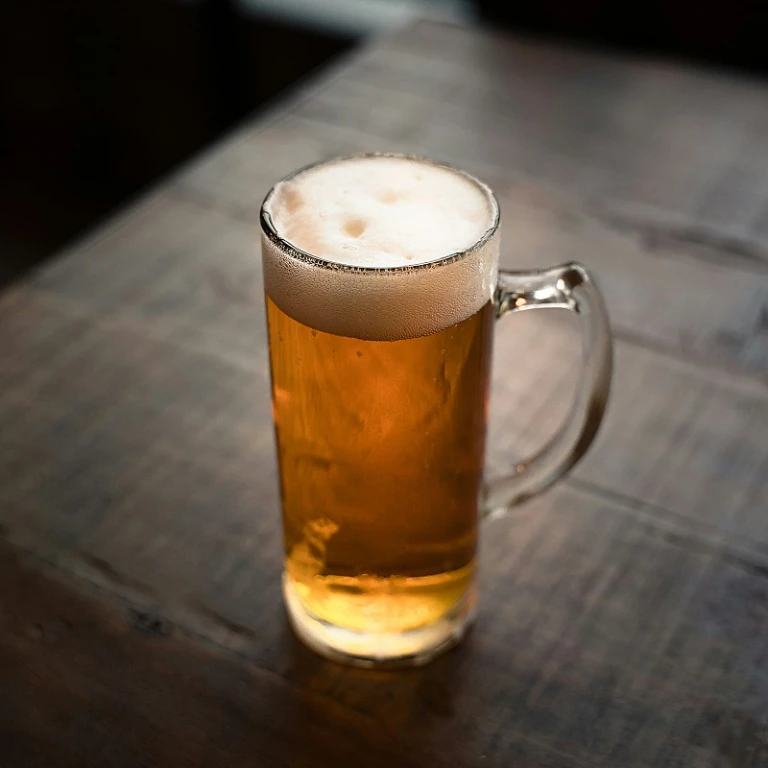
- Hazy appearance: Many DDH IPAs feature a hazy, golden look, hinting at the lush flavors within.
- Freshness matters: The hop oils and aromas are at their peak when the beer is fresh, so enjoying a DDH IPA soon after release is highly recommended.
Fans of this style often compare different DDH IPAs to explore how various hop combinations and brewing techniques influence the final product. If you're curious about how DDH IPAs stack up against other hop-forward beers, check out this in-depth look at Fantasy Factory IPA for more insights into the world of aromatic, flavorful brews.
The brewing process behind ddh ipa and hazy ipa beers
The art of layering hops for maximum aroma
Double dry hopping (DDH) is a brewing technique that sets certain IPAs apart, especially when compared to their hazy counterparts. The process involves adding hops at multiple stages after the initial fermentation, which intensifies the beer’s aroma and flavor without significantly increasing bitterness. This approach is key to the bold, juicy profiles that fans of DDH IPAs love.
- First dry hop: Typically added during active fermentation, this step allows yeast to interact with hop compounds, creating unique flavors and softening bitterness.
- Second dry hop: Introduced after fermentation, these hops contribute intense aroma and fresh, vibrant hop character, often resulting in the signature hazy appearance.
While hazy IPAs also use generous dry hopping, DDH IPAs double down on this technique, leading to even more pronounced hop-forward notes. Brewers carefully select hop varieties and timing to achieve the desired balance of fruitiness, floral tones, and haze.
For a deeper dive into how fresh hops influence beer character, check out this fresh hop brewing process article.
The result is a beer that stands out not just for its taste, but for its aromatic complexity and visual appeal—qualities that are further explored through the stories and tasting notes shared by DDH IPA enthusiasts.
Why hops matter: from citra to mosaic and beyond
The impact of hop varieties on flavor and aroma
Hops are the heart and soul of a DDH IPA. These tiny green cones are responsible for the bold aromas and flavors that set this style apart. Brewers carefully select hop varieties to create unique profiles, with some of the most popular choices being Citra, Mosaic, Simcoe, and Galaxy. Each hop brings its own signature notes—think citrus, tropical fruit, pine, or even floral undertones.
- Citra: Known for its bright citrus and tropical fruit flavors, Citra is a go-to for juicy, aromatic DDH IPAs.
- Mosaic: This hop delivers a complex mix of berry, mango, and earthy pine, adding depth to the beer’s character.
- Simcoe: Loved for its piney, resinous qualities with hints of apricot and passionfruit.
- Galaxy: An Australian favorite, Galaxy imparts intense passionfruit and peach notes.
The double dry hopping process amplifies these flavors, making each sip a burst of hop-driven intensity. Brewers often experiment with different combinations, resulting in endless possibilities for aroma and taste. If you’re curious about how hop selection can influence other beer styles, check out this refreshing lager experience for a contrast to hop-forward IPAs.
Ultimately, the choice of hops and the timing of their addition are what give each DDH IPA its signature personality, making every can or pint a new adventure for your palate.
How breweries label and market ddh beers
How breweries communicate double dry hopping
When you browse the shelves or scroll through tap lists, you might notice a growing number of beers labeled as "DDH IPA." But what does this mean for the drinker, and how do breweries use this term to set their beers apart?
- Labeling clarity: Breweries often highlight "double dry hopped" or "DDH" on the can or bottle to signal a more intense hop aroma and flavor. This helps fans quickly identify beers with a bigger hop punch.
- Marketing creativity: Some breweries get playful with the term, using vibrant can art or catchy names that emphasize the double dry hopping process. This creative approach not only draws attention but also builds excitement among hop lovers.
- Transparency in brewing: Many craft breweries now include details about the hops used, the timing of dry hopping, or even the specific batches on their labels. This transparency appeals to beer enthusiasts who want to know exactly what they're drinking.
- Comparing styles: Since DDH IPAs often overlap with hazy or New England IPAs, breweries may use both terms to help consumers understand what to expect in terms of appearance and flavor.
Ultimately, the way breweries label and market DDH beers is about creating a connection with drinkers who crave bold, aromatic hop experiences. The label is your first hint at the juicy, aromatic adventure inside the can.
Tasting notes and personal stories from ddh ipa fans
What ddh ipa fans love to share
Enthusiasts of double dry hopped IPAs often have vivid stories and tasting notes to share. The first thing many mention is the explosion of aroma—think ripe mango, juicy peach, and bursts of citrus. The hop-forward character is unmistakable, yet the bitterness is usually softer than in classic IPAs, making each sip approachable and refreshing.
- Freshness counts: Fans often seek out the freshest cans or drafts, noting that the hop aroma and flavor are at their peak right after release.
- Hazy appearance: Many describe the visual appeal of a DDH IPA—cloudy, golden, and inviting, which hints at the juicy flavors inside.
- Layered flavors: Tasting notes frequently mention a blend of tropical fruit, pine, and floral notes, with a soft, pillowy mouthfeel.
- Session memories: Some recall sharing DDH IPAs with friends at breweries, comparing the subtle differences between batches, or even trading cans from different regions to experience new hop combinations.
Personal stories highlight how the double dry hopping process brings out unique flavors and aromas, making each DDH IPA memorable. Whether you’re a seasoned hophead or new to the style, the vibrant community around these beers is always eager to share recommendations and tasting experiences.