



How george killian’s irish red became killians beer
From family recipe to famous red ale
Long before it became a familiar name on American shelves, Killian’s began as a family beer in Ireland. The story centers on George Killian Lett, whose family brewed a ruby‑hued ale that stood apart from the pale lagers dominating local pubs. Brewed to be malt‑forward, smooth, and easy to drink by the pint, it carried the family name and a reputation for being a hearty, reliable pub beer.
As beer styles evolved and industrial brewing expanded, many traditional Irish ales faded into the background. Yet the Killian family recipe survived, helped by its distinctive color and approachable character. It was not a strong, heavy ale reserved for special occasions ; it was an everyday beer with just enough richness to feel a bit more special than a standard lager.
When American drinkers later became curious about imported and “heritage” styles, this Irish red ale profile offered a perfect bridge. It felt traditional without being intimidating, and it fit neatly into a growing interest in flavorful yet accessible beers. That balance between history and drinkability is one reason Killian’s could be adapted into a larger brand story.
The path from a local Irish name to a widely distributed label also mirrors what happened with other characterful beers that moved from regional specialty to mainstream shelves. If you enjoy reading how certain ales manage to keep their identity while reaching a broader audience, you might like this deep dive into how honey brown ale balances tradition and modern appeal. In the next parts of this article, we will look more closely at how that original Irish red profile shaped Killian’s appearance, flavor, and eventual positioning in the United States.
What makes killians irish red look and taste the way it does
The signature color of an approachable Irish red
Killian’s Irish Red is built around a deep amber hue that leans toward ruby when held to the light. That color comes from a careful mix of pale malt for fermentable sugars and specialty malts that have been kilned or lightly roasted. These specialty grains add caramel and toffee notes while also giving the beer its characteristic red glow. It is not as dark as a stout or porter, and it avoids the haziness of some modern craft styles, which keeps it visually clean and inviting in the glass.
Flavor profile : malt-forward, smooth, and easy to drink
On the palate, Killian’s focuses on malt rather than hops. You will notice gentle caramel sweetness, a touch of toasted bread crust, and sometimes a faint hint of toffee. Bitterness is present but restrained, just enough to keep the finish from feeling sticky. This balance makes it a classic “bridge” beer for drinkers moving from light lagers into more flavorful styles.
The mouthfeel is medium-light, with a smooth, rounded texture and moderate carbonation. Alcohol warmth stays in the background, supporting the flavors instead of dominating them. Compared with other flavored or fruit-leaning reds, such as those discussed in this in-depth look at red apple beer, Killian’s keeps things firmly in the malt camp, without overt fruit additions.
How the recipe supports its role in the market
The way Killian’s looks and tastes is closely tied to its position as a widely available, approachable red ale. Its moderate strength, smooth body, and familiar caramel profile make it easy to present in marketing and web content as a dependable, everyday option, while still nodding to its Irish-inspired roots and the brand story built around them.
From local irish name to molson coors brand in the united states
From family recipe to international portfolio
Killian’s story begins as a local Irish family recipe, brewed under the George Killian name and rooted in traditional Irish red ale culture. When Molson Coors later brought the beer into its portfolio, the brand shifted from a regional identity to a product designed for a broad North American audience. That move meant adapting not only the recipe at scale, but also the way the beer was positioned on shelves and in drinkers’ minds.
Within Molson Coors, Killian’s Irish Red became a bridge between mainstream lagers and more characterful ales. It needed to feel approachable to drinkers used to light beer, while still offering the richer malt focus you would expect from an Irish-inspired red. This balancing act mirrors how other specialty beers are framed in the market, where storytelling and style cues help guide curious drinkers toward something just a bit different from their usual choice.
Branding, regulations and modern expectations
As Killian’s moved into the United States, the brand also had to navigate trademark rules, labeling regulations and shifting consumer expectations around authenticity. The “Irish” reference on the label evokes heritage, even though the beer is brewed under a major North American company. That tension between origin story and current production is common in the industry, especially when traditional names are integrated into global portfolios.
Killian’s evolution also reflects how beer conversations have broadened. Today, enthusiasts compare malt profiles, color and sweetness levels across many red and amber ales, and even track how brand names and ingredients intersect with broader culture. You can see similar dynamics in discussions around how cannabis-inspired terminology slips into brewer language, showing how modern branding and heritage stories constantly interact in the beer world.
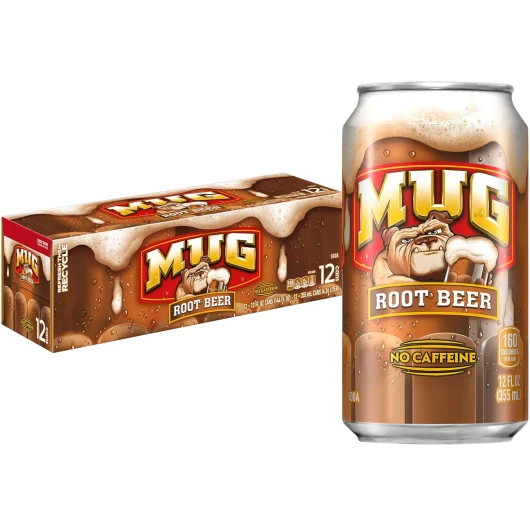
- + Refreshing flavor
- + Convenient 12-pack
- + 12 Fl Oz cans
- + Perfect for parties

How marketing, web content and privacy policy shape the killians beer brand
Shaping a recognizable story in a crowded market
Killian’s Irish Red has long leaned on storytelling to stand out. The brand’s narrative about Irish roots and a family brewing tradition gives drinkers a sense of continuity with the past, even though the beer is now part of a major North American portfolio. This story links naturally with its malt-forward profile and ruby color, reinforcing what you taste in the glass with what you read on the label and website.
Packaging and visuals support this narrative. The deep red tones, heraldic imagery, and straightforward typography signal a classic, approachable beer rather than an experimental craft release. Compared with bolder, hop-driven brands highlighted elsewhere in the article, Killian’s positions itself as a familiar, easygoing choice.
How online content guides expectations
On the web, Killian’s presence focuses on clarity and reassurance. Official product pages typically emphasize flavor notes, food pairings, and serving suggestions, helping drinkers know what to expect before they buy. This is especially important for a style that can vary widely between brands ; consistent messaging helps frame Killian’s as a reliable benchmark for red lagers and ales.
Social media and promotional campaigns often highlight occasions rather than technical brewing details : game days, casual gatherings, and pub nights. This keeps the beer positioned as an everyday, approachable option rather than a niche enthusiast’s pick.
Privacy policy, data, and the modern beer drinker
Like most large beer brands, Killian’s online platforms are built around data collection and compliance. Age gates, cookie banners, and detailed privacy policies are now standard. While they may feel routine, they shape how the brand interacts with its audience, from targeted ads to localized promotions.
For drinkers, this means the digital experience around Killian’s is increasingly personalized, but also more regulated. The brand must balance using data to stay relevant with maintaining trust, especially as consumers grow more aware of how their information is handled.
Tasting killians beer today and comparing it with other red brands
How killian’s irish red presents in the glass
Pouring killian’s irish red into a pint glass, you immediately notice the deep amber-to-ruby hue that has become its signature. The beer is clear, with a steady stream of fine bubbles feeding a modest off-white head. That visual polish reflects the careful use of roasted and caramel malts described earlier in the article, giving the beer its approachable, polished pub look.
Aroma and flavor profile in practical terms
On the nose, killian’s leans toward toasted bread, light caramel, and a hint of toffee. There is usually a faint herbal or slightly spicy hop note, but it stays in the background.
The first sip is smooth and malt-forward. You get:
- Caramel and lightly toasted grain
- A touch of sweetness balanced by gentle bitterness
- A clean, crisp finish with low lingering aftertaste
Body is medium-light, with moderate carbonation. It is designed to be easy-drinking rather than intense, which fits its evolution from a local Irish name into a broad-appeal Molson Coors brand.
How it compares with other red and amber beers
When you line up killian’s against other red and amber beers, its role becomes clearer. Many craft Irish reds and American ambers push roasted malt, hop aroma, or higher alcohol. Killian’s sits in a more restrained, mainstream space.
Compared with maltier, richer reds, killian’s feels lighter and less complex, but also more sessionable. Against hoppier amber ales, it comes across as smoother and more caramel-focused, with fewer citrus or pine notes.
For drinkers who enjoy a clean, reliable red beer that still shows some character, killian’s irish red works well as a gateway into the broader world of malt-driven styles, while remaining firmly rooted in its accessible, pub-friendly profile.